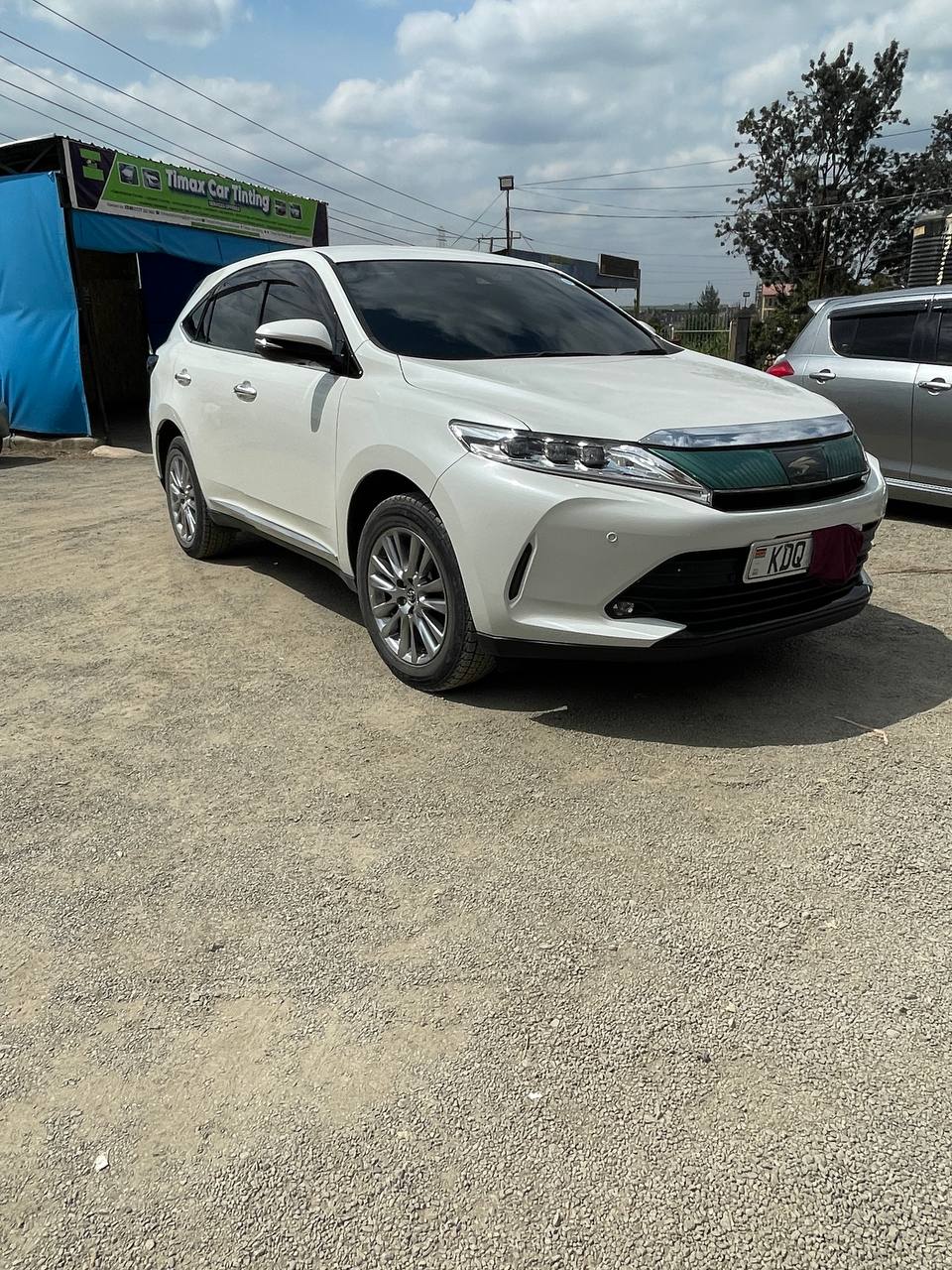
When doing headlight tinting in Nairobi, there are a few important legal, safety, and quality factors to watch out for so you don’t end up with problems at night, at inspection, or with traffic police.
Visibility & Safety
-
Dark tints significantly reduce night visibility, especially on:
-
If you drive frequently at night or outside Nairobi, do not go dark.
-
Consider upgrading bulbs (within legal limits) only if necessary — but tinting should never rely on brighter bulbs to compensate.
Legality & Police Issues (Very Important)
Dark tints are risky: Kenyan traffic laws don’t clearly allow dark headlight tints. If the tint reduces brightness, traffic police can:
- Fine you
- Issue a defect notice
- Force removal on the spot
Safer option:
- Headlights must emit clear white or slightly yellow light.
- Clear film or very light smoke (high light transmission).
Quality of Film Used
Low-quality films:
- Fade to purple or brown
- Peel due to heat
- Crack under sun exposure
Ask for:
- UV-resistant
- Heat-resistant
- Automotive-grade vinyl (not cheap wrap material)
Installer Skill & Finish
Poor workmanship causes:
- Bubbles
- Uneven cuts
- Light distortion
- Early peeling
Before committing:
- Ask for photos of previous headlight work
- Check Google reviews
- Ask if they give a warranty
Condition of Headlights Before Tinting
Correct process:
-
Restoration/polishing
-
Clear coat or PPF
-
Optional light tint
Color Choice
Avoid:
-
Blue
-
Red
-
Purple
-
Chameleon tints
These can:
-
Attract police attention
-
Scatter light poorly
-
Be unsafe in fog or rain
Stick to:
-
Clear
-
Light smoke
-
Slight grey
Warranty & Removal
Ask:
Good shops offer at least 3–6 months warranty.
Nairobi Sun & Heat Resistance
Ensure: